
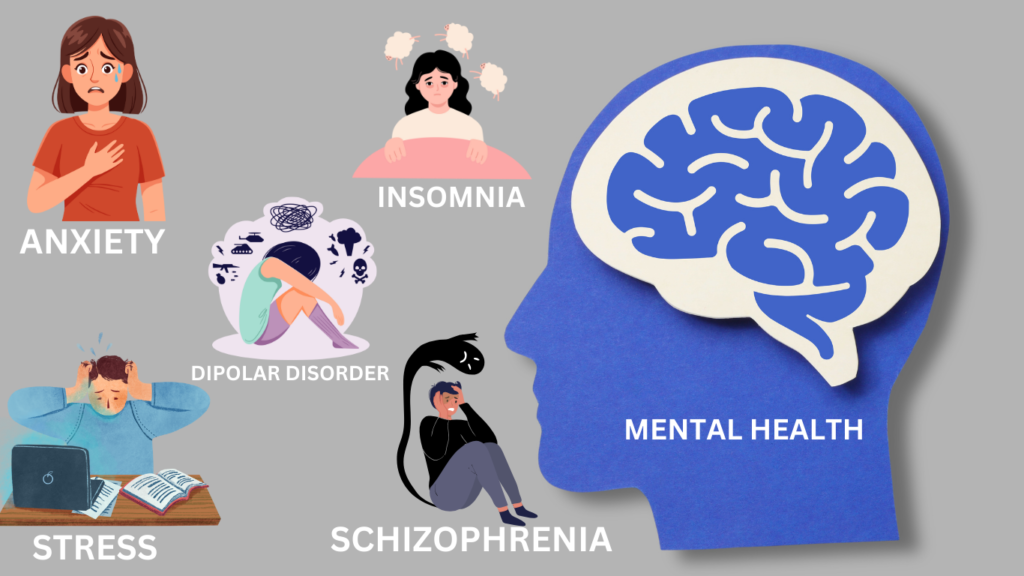
Mental health plays a critical role in shaping how people think, feel and act in everyday life — yet its connection to behaviour is often misunderstood. A recent article from Behaviour Help delves into what mental health really means and how it can influence behaviour, particularly in contexts where support is needed.
Defining Mental Health
According to the World Health Organization, mental health is “a state of wellbeing in which the individual realises his or her own abilities, can cope with the normal stresses of life, can work productively and fruitfully, and is able to make a contribution to his or her community.” This broad definition highlights mental health as more than just the absence of illness — it’s a dynamic state of psychological and social functioning.
Why Mental Health Matters
Good mental health supports resilience — the ability to adapt to life’s ups and downs — and affects everything from relationships and decision-making to how we respond to stress. It is essential across all stages of life, from childhood through older adulthood.
What Is a Mental Health Disorder?
A mental health disorder involves significant disturbances in thinking, feeling, mood or behaviour. Common conditions include anxiety disorders, depressive disorders, bipolar disorder and post-traumatic stress disorder, among others. These disorders can arise from a complex interplay of genetic, biological, environmental and social factors.
Factors such as family history, brain chemical imbalances, early-life trauma or chronic disease can all increase the risk of developing a mental health disorder. Rather than having a single cause, mental illness often stems from overlapping influences.
Psychosocial Disability: A Broader Impact
For some people, mental health conditions may also lead to psychosocial disability — a term describing how emotional, cognitive and social difficulties can limit everyday functioning. This may affect a person’s ability to engage in work, education, social interactions or community life, reinforcing the importance of tailored support.
Linking Mental Health and Behaviour
Not all individuals with mental health disorders display challenging behaviours, and such behaviours can occur even in the absence of a diagnosable condition. However, the article notes that certain mental health challenges can increase the likelihood of behaviours that are considered difficult or concerning — particularly when underlying emotional or cognitive disruption affects how someone thinks or responds to stress.
For example, the diagnostic criteria for borderline personality disorder include patterns of impulsivity, unstable relationships, emotional regulation difficulties and self-harming behaviour — showing how a mental health condition can shape behaviour over time.
Supporting Mental Health and Adaptive Behaviour
The article highlights the value of a biopsychosocial approach in assessment and treatment. This model considers a person’s biological, psychological and social context to guide comprehensive care. Therapies such as cognitive behavioural therapy (CBT), dialectical behaviour therapy (DBT) and other evidence-based treatments can help individuals build emotional awareness, coping strategies and improved day-to-day functioning.